
Sichuan Facts
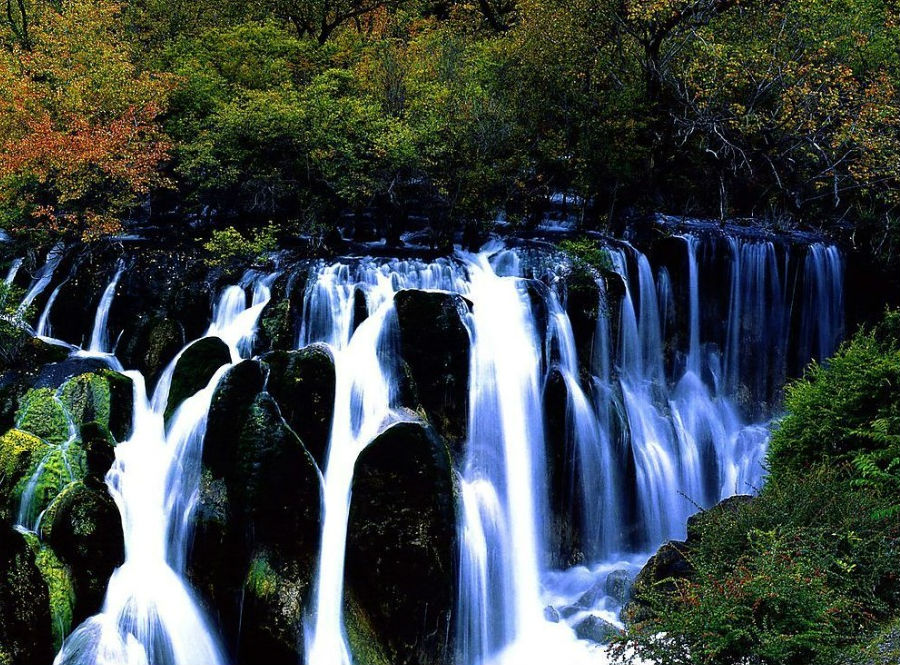 Sichuan, a province in Southwestern China, has a brief name of Shu, for during the Three Kingdoms period, Liu Bei established the Shu Kingdom here, and the current name is an abbreviation of "Four circuits of rivers” during the Northern Song Dynasty.
Sichuan has more than 15 minority groups and Han people in a population of 100 millions in 485000 square km, and mostly are Han people, Yi, Tibetan, Hui, Qiang people, and known the China as the only ethnic enclave of Qiang people, and the biggest ethnic enclave of Yi people.
It’s true that each of these minorities has its own charm, ethnic style and folk custom. Some of the ethical festivals like Leshan Great Buddha International Tourist Festival, Southland Ice and Snow Festival, Liangshan Yi Minority Torch Festival and Zigong Lantern Festival have become Sichuan's unique tourist resources.
Gifted with lush mountains and exquisite waters, Sichuan is also rich in historical and cultural resources, such as the Emei Mountain, Qingcheng Mountain, and Long Valley, the Dujiangyan Irrigation System, Leshan Giant Buddha, and Jiuzhaigou (Nine-Village Valley). The Wolong Nature Reserve in Sichuan is the home to the Chengdu Giant Panda Research Base where visitors can see many newly born panda babies playing together. Sichuan has three places listed as the World Cultural and Natural Heritage, the Jiuzhaigou Scenic Area, the Huanglong Scenic Area, and Emei Mountain including the Leshan Giant Buddha.
Known as “The Land of Abundance”, Sichuan is listed as one of China's major producers of rice, wheat, cotton, rapeseeds, raw silk, oil-bearing crops, meat, and fruit, and also holds a significant place in production of medicinal herbs, pigs and cattle. Sichuan's major industrial products are metals, coal, petroleum, machinery, electric power, well salt, chemicals, electronics, textiles and foodstuff etc.
